
SIREN project advances post-disaster communication with new 6G use case accepted by 3GPP
In recent years, the world has faced devastating disasters such as floods, wildfires, and earthquakes. In these moments, post-disaster humanitarian logistics operations and infrastructure repair are essential, providing urgent aid, medical supplies, food, water, communications and shelter to affected communities. Timely and effective logistics can mean the difference between life and death, and can also help prevent secondary crises such as disease outbreaks and prolonged outages of critical services like water, power, sewage, and communications.
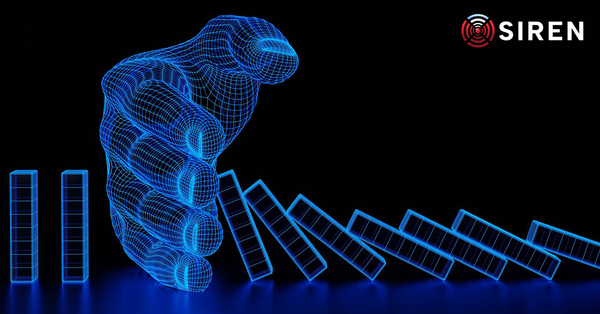
To support faster and better-coordinated disaster response, the ITEA project SIREN (Safety & Incident Response for building Emergency Networks), gathering 15 partners from Portugal, Sweden, Türkiye and the United Kingdom, is developing a flexible and scalable platform that combines artificial intelligence (AI) and geographic information systems (GIS). The goal is to improve decision-making, coordination, and communication in the immediate aftermath of disasters.
6G use case accepted by 3GPP
Recently, an important project milestone was reached. The multi-mobile network operator (MNO) cooperative service continuity use case for disaster scenarios, originating from the SIREN project, has been accepted as a new 6G use case at the 3GPP SA1 meeting in November 2025 in Dallas. 3GPP (3rd Generation Partnership Project) is a global partnership of telecommunications standards development organisations that work together to produce the technical specifications and reports defining cellular telecommunications technologies, ensuring that networks and devices can interoperate worldwide.
This achievement represents a significant step forward in bringing European research innovation into 3GPP 6G standardisation. The newly accepted use case highlights how AI-enabled agents in the future mobile network can strengthen network resilience by supporting cooperation among multiple mobile network operators during emergencies. This way users can continue receiving service even if one operator’s infrastructure is impaired, and ensuring more reliable communication when it matters most.